BLOG

ENTOMOLOGY

The ADDA River and VALTELLINA

Notions of Entomology

The river Adda, one of the main watercourses in Lombardy, is rich in biodiversity, including numerous aquatic insects that inhabit its various sections, from its mountain springs to the plains and confluence with the Po. Below is an in-depth analysis of the insects present in the various seasons and areas of the Adda.

ZONES and DISTRIBUTION of insects

The river flows through different environments, each with specific ecological characteristics:

Upper Adda Valley (mountain springs and streams)

Characterised by cold, fast and well-oxygenated waters, ideal for species sensitive to water quality.

  • Main insects:
    • Ephemeroptera (Ephemeroptera): Baetis alpinus, Ecdyonurus venosus.
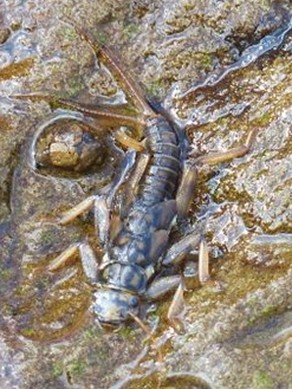
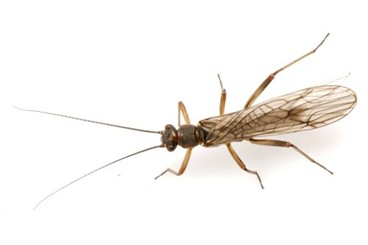
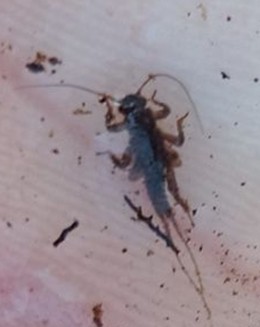
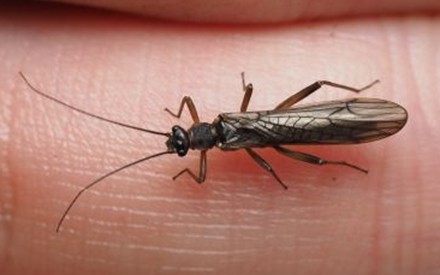
    • Plecoptera (Plecoptera): Perla marginata, Nemoura cinerea.
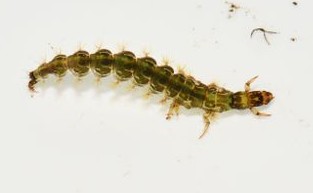
    • Trichoptera (Trichoptera): Rhyacophila spp., Hydropsyche instabilis.

Media Valle (Lake Como and exit towards Lecco)

Slower and deeper stretches of water can be found in this area.

  • Main insects:
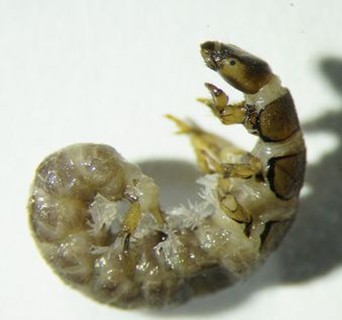
    • Trichoptera: Hydropsyche spp. (shelter-building larvae).
    • Odonates (dragonflies): Calopteryx virgo, Sympetrum sanguineum.
    • Diptera (Diptera): Simulium spp., Chironomus spp.

Lower Valley (after Lodi towards the Po)

The Adda becomes wider, with slow currents and muddy or sandy bottoms.

  • Main insects:
    • Aquatic beetles (Coleoptera): Dytiscus marginalis, Hydrophilus piceus.
    • Aquatic hemipterans (Hemiptera): Notonecta glauca, Gerris spp.
    • Ephemeroptera: Caenis horaria (tolerant).

SEASONAL CYCLE of insects along the Adda River

Spring (March-May)

  • Upper Valley:
    • Ephemeral nymphs (Baetis, Ecdyonurus) and plecoptera (Pearl, Nemoura) begin the metamorphosis.
    • Trichoptera larvae build their shelters with debris.
  • Middle and Lower Valley:
    • The first dragonflies (Calopteryx virgo) begin to emerge.
    • Blackflies (Simulium) proliferate in slow current areas.

Summer (June-August)

  • Upper Valley:
    • Maximum activity of adult plecoptera and ephemeroptera. Swarms of ephemeroptera are particularly visible at dusk.
  • Middle and Lower Valley:
    • Dragonflies dominate: Sympetrum sanguineum e Aeshna cyanea are common.
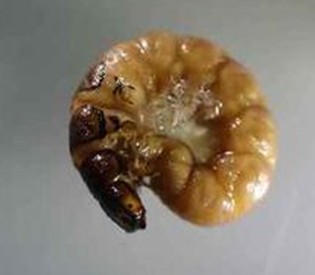
    • Chironomid larvae are found in muddy sediments; adults are visible near water.

Autumn (September-November)

  • Upper Valley:
    • Reduction in adult activity. Ephemeroptera and plecoptera eggs hatch, giving rise to new generations of nymphs.
  • Middle and Lower Valley:
    • Trichoptera larvae (Hydropsyche) continue to develop in slow waters.

Winter (December-February)

  • Upper Valley:
    • The nymphs of Baetis e Ecdyonurus remain active in cold, oxygenated streams.
  • Middle and Lower Valley:
    • Chironomid larvae (Chironomus) survive in sediments; plecoptera overwinter in larval stages.

ecological curiosities on the Adda


Nocturnal ephemera: Spectacular swarms of ephemerals are visible especially in spring and summer near stretches with moderate currents.

Dragonflies in the plains: The wetlands along the lower Adda are ideal habitats for dragonflies such as Sympetrum e Calopteryx.

Role of trichoptera: The larvae of Hydropsyche filter out large quantities of organic particles, contributing to clean water.

TIRANO-LECCO

In detail...

The river stretch Adda between Tirano e Lecco offers a variety of river environments and great biodiversity due to the diversity of altitudes, temperatures and watercourse characteristics. Here is a detailed analysis of the aquatic insects typical of this portion of the river, with seasonal references.

Environmental characteristics of the Adda (Tirano-Lecco)

The river flows through different environments, each with specific ecological characteristics:

1. Tirano and Valtellina (Alta Adda):

Mountainous area, with cold, well-oxygenated waters, rocky and gravelly bottoms.

High water quality, ideal for indicator insects in unpolluted environments.

2. Middle valley (Sondrio, Morbegno):

Wider river, with waters that are still well oxygenated but less cold than in the upper valley.

Mixed sand and gravel bottoms, varied habitats.

Lower valley (Colico-Lecco):

River near its discharge into Lake Como.

Slower current, warmer waters and the presence of sediment accumulation zones.

The insects present...

Alta Adda (Tirano and Valtellina)

  • Ephemeroptera:
    • Typical species: Baetis rhodani, Ecdyonurus venosus.
    • Spring: Very active nymphs, presence of swarms at dusk.
    • Winter: Nymphs in the rocky seabed.
  • Plecoptera:
    • Typical species: Perla marginata, Diura bicaudata.
    • Spring-summer: Adults visible on the banks.
    • Autumn-winter: Nymphs that withstand low temperatures.
  • Trichoptera:
    • Typical species: Rhyacophila dorsalis, Hydropsyche angustipennis.
    • Spring: Larvae build shelters in gravel.
    • Summer: Adults in flight on humid evenings.
  • Odonati:
    • Typical species: Calopteryx virgo.
    • Summer: Dragonflies and damselflies along the banks.

Middle Valley (Sondrio-Morbegno)

  • Ephemeroptera:
    • Typical species: Ephemera danica.
    • Summer: Swarms of adults above the river.
  • Plecoptera:
    • Typical species: Nemoura cinerea.
    • Autumn: Active nymphs on the seabed.
  • Trichoptera:
    • Typical species: Limnephilus flavicornis.
    • All year round: Larvae in sediments.
  • Diptera:
    • Typical species: Chironomus riparius.
    • Summer: Abundant gnats near the water.
  • Aquatic beetles:
    • Typical species: Gyrinus natator (whirling beetles).
    • Summer: Adults visible in slow water.

Bassa Adda (Colico-Lecco)

  • Ephemeroptera:
    • Typical species: Caenis horaria.
    • Summer: Present in slower and warmer waters.
  • Diptera:
    • Typical species: Simulium spp. (black gnats).
    • Spring-summer: Abundant larvae, used as indicators.
  • Odonati:
    • Typical species: Sympetrum sanguineum.
    • Summer: Dragonflies visible in the reeds.
  • Aquatic hemipterans:
    • Typical species: Notonecta glauca (notonet).
    • All year round: Predators in calmer areas.

Seasonal changes in the Adda

  • Spring:
    • Insect activity begins as temperatures rise.
    • Maximum diversity of larvae in the upper valley, in areas with a fast current.
  • Summer:
    • Presence of swarms of adults throughout the valley, especially in wet evenings.
    • Increased insect population in slower waters.
  • Autumn:
    • Reduction of swarms, larvae predominate in the middle and lower valley.
    • Nymphs of ephemeroptera and plecoptera active in the upper valley.
  • Winter:
    • Reduced activity, but larvae of trichoptera, plecoptera and dipterans survive in protected environments.

Monitoring and water quality

The Adda between Tirano and Lecco is largely well preserved, especially in the mountain and hill sections.

The presence of sensitive species (ephemeroptera, plecoptera, trichoptera) generally indicates good water quality in the upper valley.

The lower valley, with areas more prone to sediment and nutrients, shows a greater presence of tolerant species (dipterans and some hemipterans).

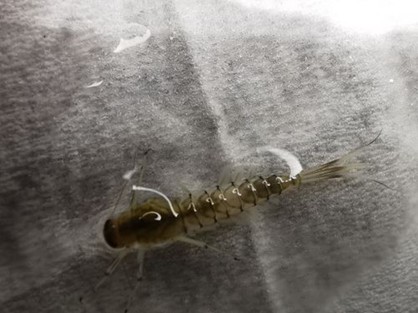
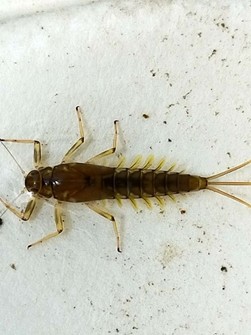
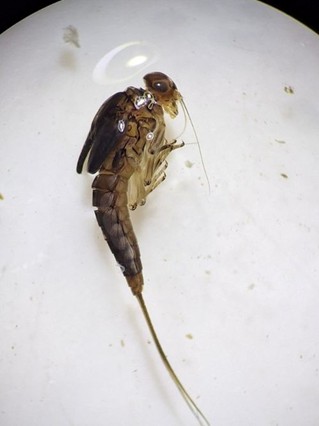
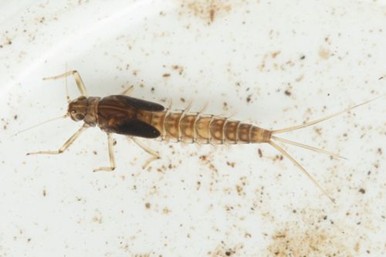
INSECTS SEEN UP CLOSE

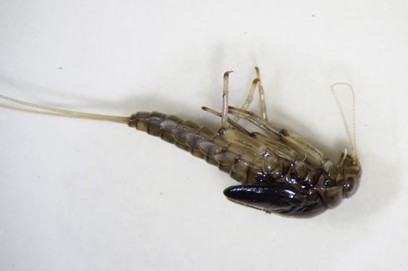
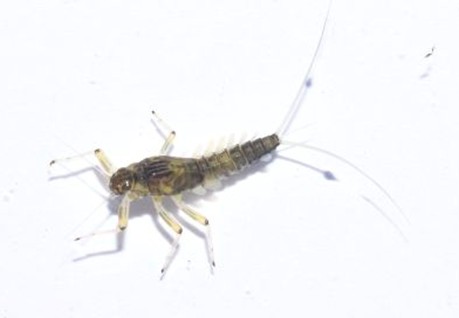
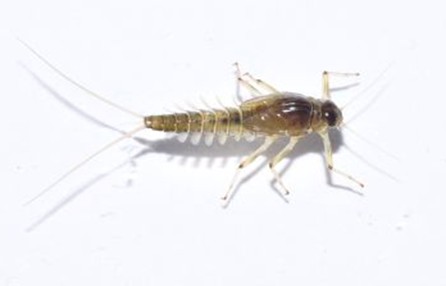
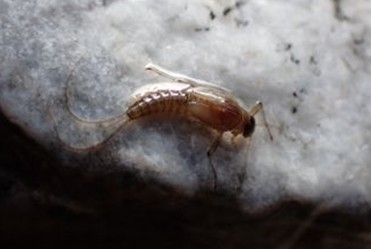
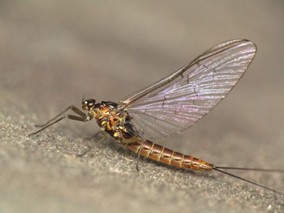
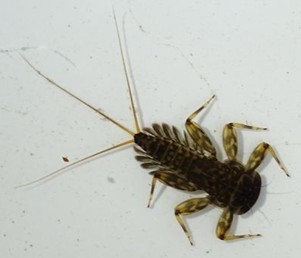
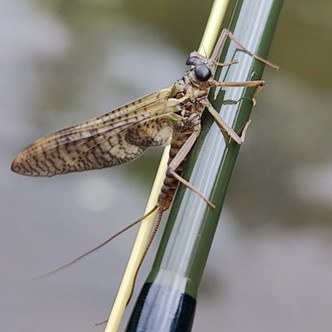
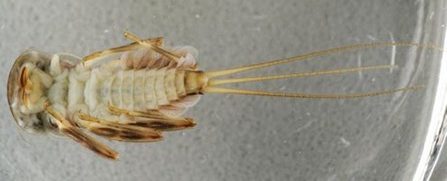
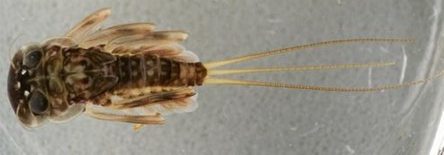
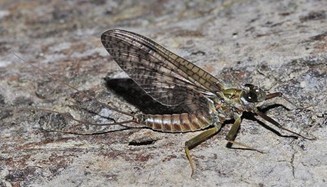
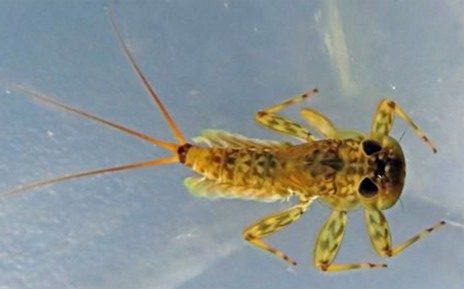
Ephemeroptera (Ephemeroptera)

Baetis alpinus

Baetis rhodani

Ecdyonurus venosus

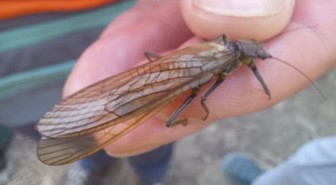
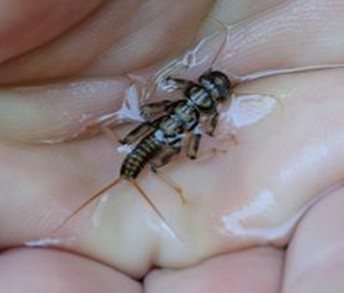
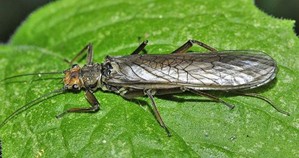
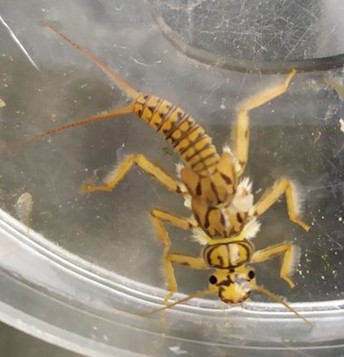
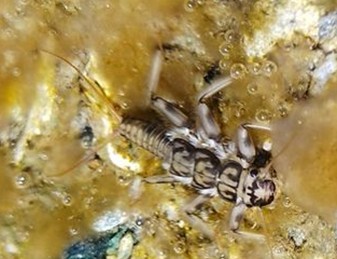
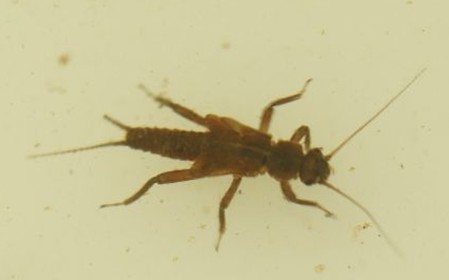
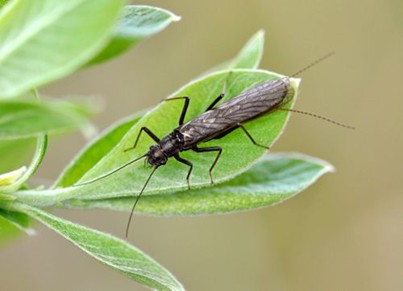
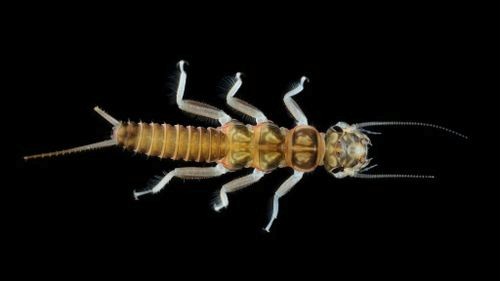
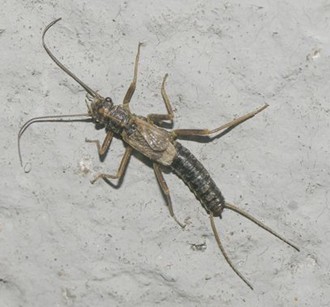
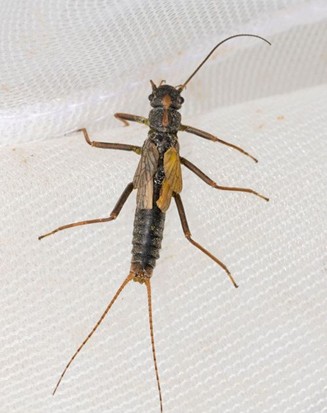
Plecoptera (Plecoptera)

Perla marginata

Nemoura cinerea

Diura bicaudata

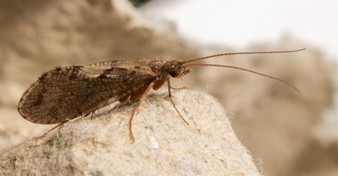
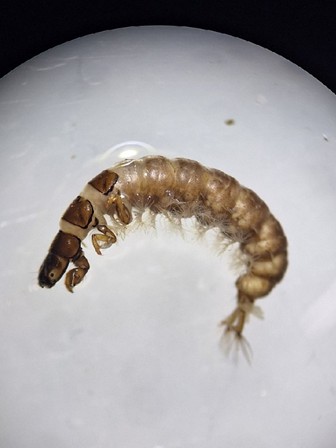
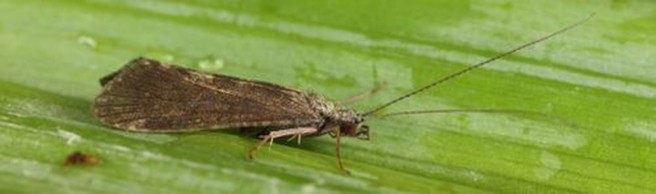
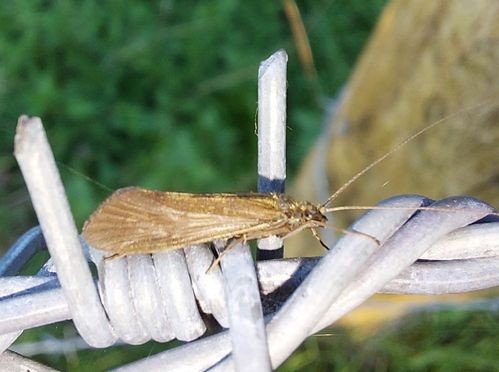
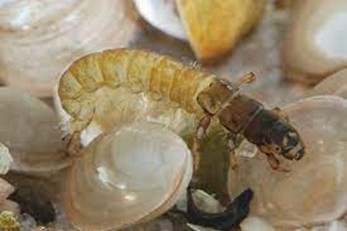
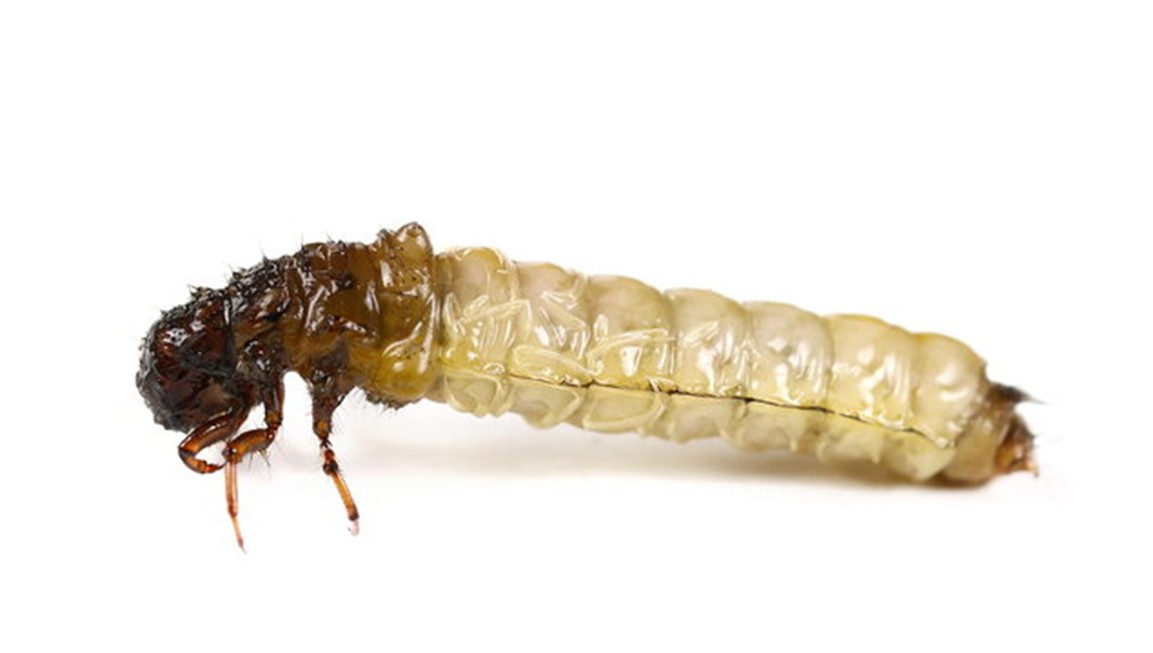
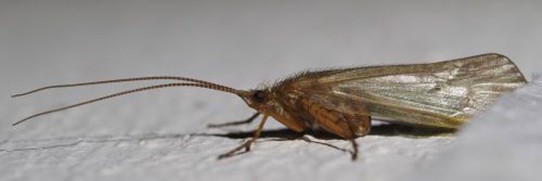
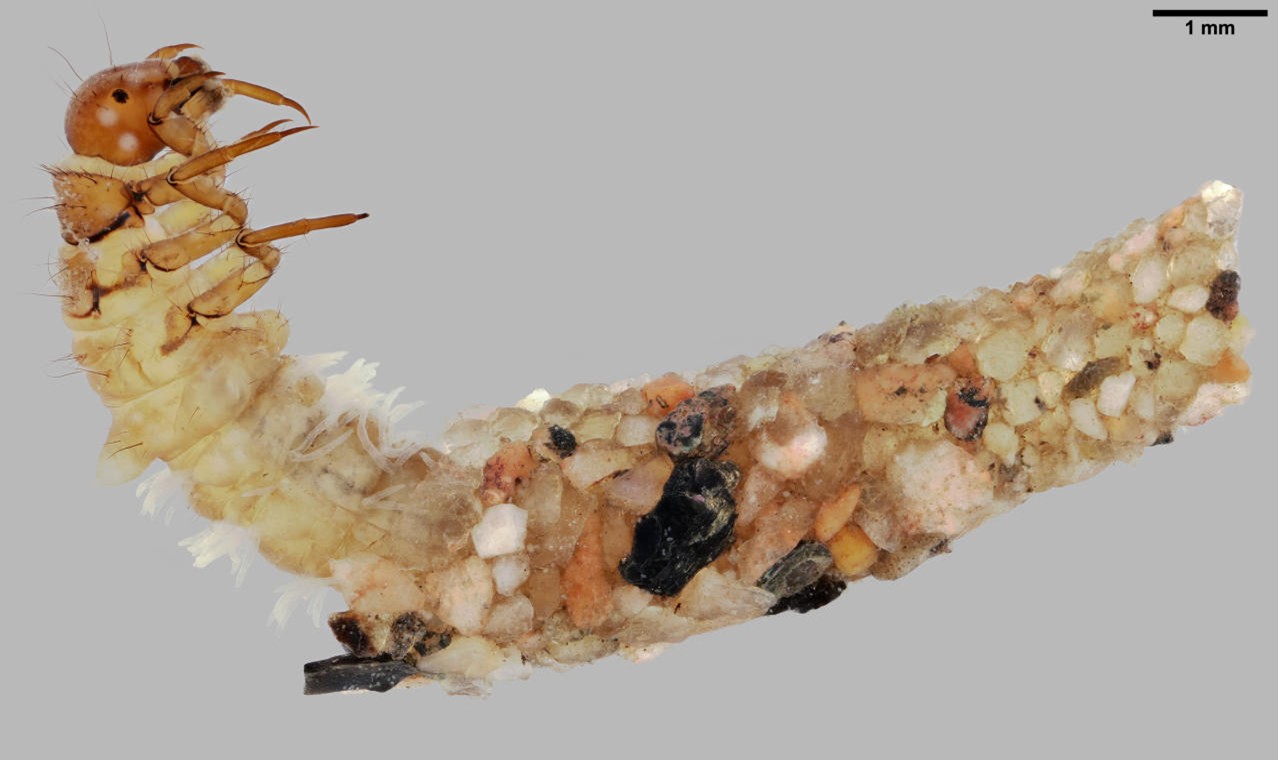
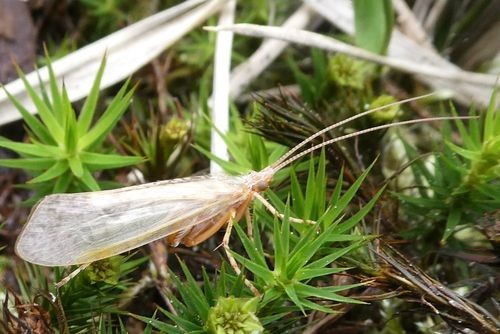
Trichoptera (Trichoptera)

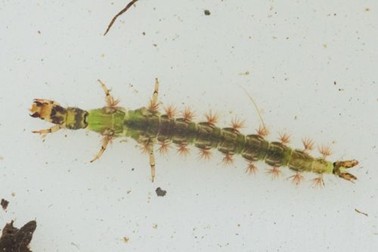
Rhyacophila

Hydropsyche instabilis

Hydropsyche angustipennis

Limnephilus flavicornis

Diptera

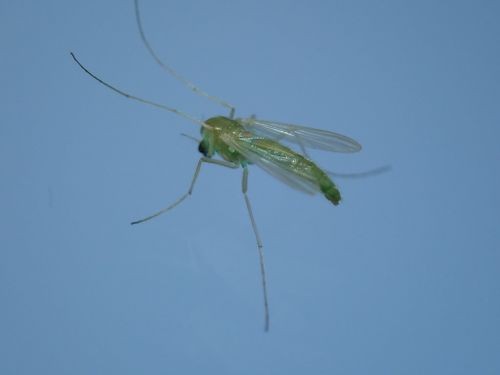
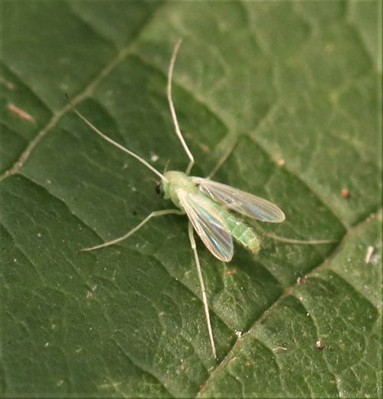
Chironomus riparius

COLOURS

In detail...

The colours of aquatic insect larvae and adults vary according to species and season, influenced by environmental factors such as temperature, light and oxygenation. Here is an overview of the main families present along the Adda (between Tirano and Lecco) and their 
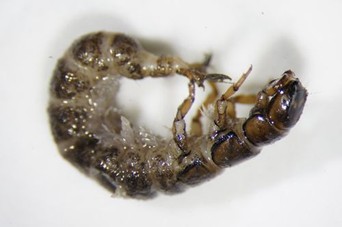
Characteristic colours in different seasons

Ephemeroptera (Ephemeroptera)

Larvae:

  • Spring:
    • Brightly coloured, often olive-brown or yellowish, with dark spots or bands on body segments. Lateral tracheal gills may be translucent.
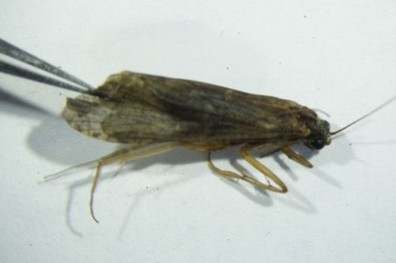
  • Summer:
    • Colours similar to spring, but tend to be lighter (pale yellow or olive green) in heated waters.
  • Autumn-winter:
    • Darker colours, often brownish or grey, for better camouflage in rocky or muddy bottoms.

Adults:

  • Spring-summer:
    • Translucent wings with dark veins, golden yellow, green or light brown body.
    • Some species, such as Baetishave blue or grey shades.
  • Autumn:
    • Slightly less bright colours, often light brown or greyish.

Plecoptera (Plecoptera)

Larvae:

  • Spring:
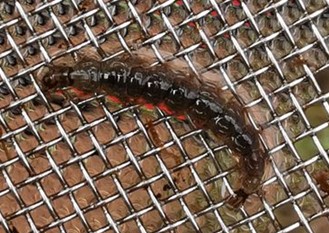
    • Dark brown or black, with yellowish or orange bands along the body.
  • Summer:
    • More muted colours (light brown or yellowish), especially in species ready to emerge.
  • Autumn-winter:
    • Dark (dark brown or uniform black) to adapt to rocky bottoms and colder water.

Adults:

  • Spring:
    • Black or dark brown bodies with yellowish tones on the legs or abdomen.
  • Summer:
    • Brighter colours (light brown with yellow highlights).
  • Autumn:
    • Dull, greyish brown or matt black tones.

Trichoptera (Trichoptera)

Larvae:

  • Spring:
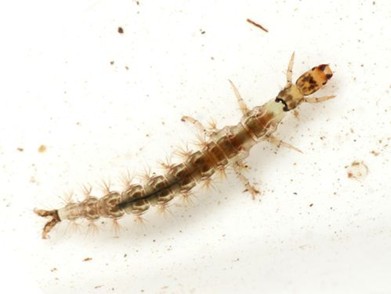
    • Green, olive brown or yellowish in colour, with a dark cephalic capsule.
  • Summer:
    • Similar to spring, but some species that build shelters with sand and debris take on shades of the materials used (grey, brown).
  • Autumn-winter:
    • Dark (brownish-brown) and more opaque.

Adults:

  • Spring-summer:
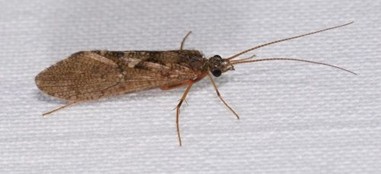
    • Dark brown, grey or black; some species have golden hairs on the wings.
  • Autumn:
    • Less intense colours, often dull brown or grey.

Diptera

Larvae:

  • Spring:
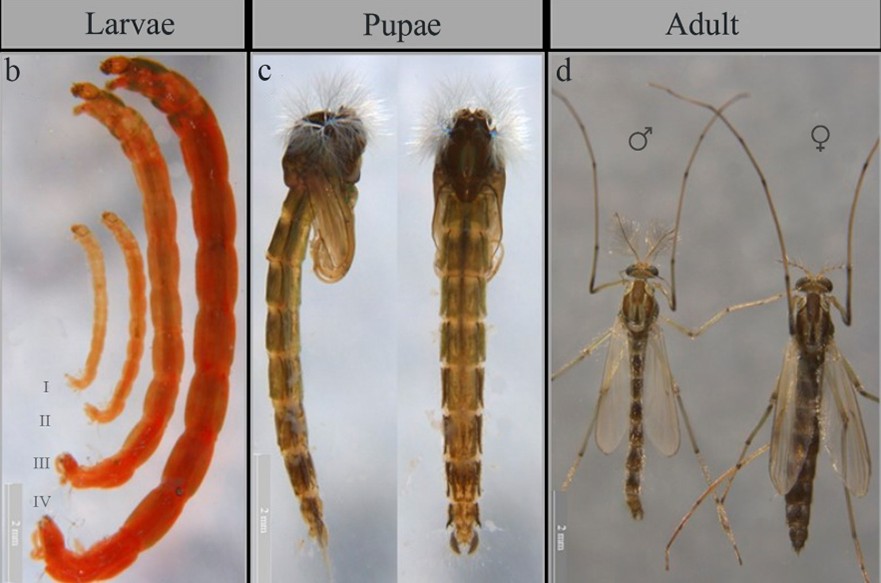
    • Translucent or yellowish in species of Chironomusblack or grey in the larvae of Simulium (black gnats).
  • Summer:
    • Red (rich in haemoglobin, such as Chironomus), dark brown or black in sediment-dwelling species.
  • Autumn-winter:
    • Dark, grey or black for cold-tolerant larvae.

Adults:

  • Spring-summer:
    • Chironomidsgreen, yellow or brick red.
    • Simulids: glossy black.
  • Autumn:
    • Less bright colours, often greyish or black.

Aquatic beetles (Coleoptera)

Larvae:

  • Spring-summer:
    • Yellowish or light brown body with dark head. The larvae of Dytiscus can be straw yellow.
  • Autumn-winter:
    • Darker colours, matt brown or grey for camouflage.

Adults:

  • Spring-summer:
    • Glossy metallic colours (dark green, blue or black) in the Gyrinus o Dytiscus.
  • Autumn:
    • Less glossy tones, with more opaque colours.

Odonates (dragonflies and damselflies)

Larvae:

  • Spring:
    • Light brown with dark or green spots for camouflage in underwater vegetation.
  • Summer:
    • Lighter tones (olive green or sand brown).
  • Autumn-winter:
    • Dark brown or uniform grey.

Adults:

  • Spring-summer:
    • Bridesmaids (Zygoptera): bright metallic colours (blue, green, bronze).
    • Dragonflies (Anisoptera): red, yellow, orange or blue.
  • Autumn:
    • Less vivid colours, often faded in brown or grey-blue tones.

Factors influencing colour

Be careful.

Water temperature: Lighter colours in summer, darker in autumn-winter to match the backdrop.

Camouflage: Bottom insects often darken in autumn and winter to blend in with rocks and sediments.

Life cycle: Larvae ready to emerge tend to be lighter in colour, recent adults are more vivid than those at the end of the season.